

N. Camden Drive is a street in Beverly Hills, California, in the city’s well-known luxury shopping and business district. Watch buyers mention it because people often associate the area with fine jewelry, high-value watches, and private resale appointments. The phrase “N. Camden Drive” may come up when someone is looking for a local place to sell a Rolex, compare options, or discuss a loan secured by a watch.
But a prestigious address does not tell you what a watch is worth, how quickly a transaction will close, or whether a particular offer suits your priorities. The more useful questions are straightforward: Who will authenticate the watch? How will they assess its condition? What market data informs the price? And are you selling, borrowing, or consigning?
This guide explains where to find N. Camden Drive, why it appears in conversations about watch buyers, and how to compare the main ways to access value from a Rolex or another luxury watch. If you are preparing for an appointment, bring the watch’s box and papers before talking numbers. Those details can help a buyer assess the specific watch in front of them, rather than relying on a broad description.
Where Is N. Camden Drive in Beverly Hills?
N. Camden Drive runs through the central Beverly Hills business area. It sits in the Golden Triangle, the compact district known for luxury boutiques, hotels, restaurants, and professional offices. The street lies near Rodeo Drive, which is why people may describe a N. Camden Drive location as a block from Rodeo Drive. The exact distance depends on the office and the route, so check the address and map before you head out.
That location matters for convenience, not as a stamp of value. A Beverly Hills office may make it easy to arrange an in-person meeting, present a watch, and ask questions face to face. It does not automatically mean a buyer will make the strongest offer, specialize in your particular reference, or offer the transaction structure you want.
When you search for n camden drive beverly hills, you may see jewelry and watch businesses connected with buying, lending, or resale. Diamond Banc Beverly Hills is one name people may encounter in that search. Treat any business as a potential option to investigate, not as a substitute for comparing terms. Before visiting, confirm its current address, appointment process, services, and required identification directly with the company.
Why Do Watch Buyers Mention This Address?
Ever notice how people bring up n. Camden Drive because it gives a conversation a local reference point. A seller might ask a friend, “Do you know a watch buyer on Camden?” Someone looking for liquidity may search for “Diamond Banc Beverly Hills” to find a nearby business that handles watches or jewelry. In both cases, the address helps narrow the search. It does not answer the most important question: what will this buyer do with your watch, and on what terms?
For a high-value watch, the best process should include authentication, condition grading, and pricing from live secondary-market data. Those steps help a buyer evaluate the actual item and explain the offer. A responsible conversation should identify the reference, account for the watch’s condition and originality, and make clear whether the quoted amount represents an outright purchase, a loan, or a consignment estimate.
Ask for the transaction type early. People sometimes compare a firm purchase offer with a consignment projection as if they were the same thing. One client recently told me thought they could save money but ended up paying more.. They are not. An outright sale provides a defined amount if you accept and complete the sale. A consignment figure represents potential proceeds after a sale, fees, and other terms, and it may take time. A loan gives you funds while preserving the chance to reclaim ownership, subject to the agreement and repayment obligations.
Three Ways to Access Value From a Watch
Your best route depends on what you need most: speed, continued ownership, or a chance at higher proceeds. No single option works best for every owner, and the headline number alone rarely tells the whole story.
Selling Outright for Speed and Certainty
An outright sale is usually the clearest option if you want to turn a watch into cash without waiting for an end buyer. A buyer inspects the watch, makes an offer, and explains the payment process. If you accept, the transaction can move quickly, although timing depends on verification, paperwork, payment method, and the buyer’s procedures.
Speed does not guarantee a premium price. A fast cash offer usually means a discounted offer compared with a possible retail or consignment result. The buyer needs room for resale costs, risk, and profit. That discount may be a fair trade if certainty matters more to you than maximizing proceeds. Ask for the net amount you will receive, not just a broad estimate or an attractive starting number.
Borrowing Against a Watch While Keeping Ownership
A loan secured by a watch can suit someone who needs liquidity but does not want to sell an important piece. You retain the possibility of getting the watch back by meeting the loan terms. That can matter if the watch has personal significance, if you expect to repay soon, or if you believe the market may improve while you keep ownership.
Read the agreement closely. Compare the amount advanced with the total repayment required, including interest and fees. Confirm the term, payment schedule, renewal rules, storage and insurance arrangements, and what happens if you miss a deadline. “Keep ownership” does not mean the watch faces no risk. The contract determines your rights and obligations, including the consequences of default.
Consignment for Higher Potential Proceeds
Consignment gives a seller the chance to reach an end buyer through a dealer or marketplace. Because the watch may sell closer to a retail-facing price than a dealer’s immediate purchase offer, consignment can produce higher potential proceeds. It also takes more time, and the result is not guaranteed.
Get the terms in writing before handing over the watch. Ask how the seller sets the asking price, who can approve reductions, what commission or other charges apply, how the watch will be insured, and when you will receive payment after a completed sale. Find out how long the agreement lasts and how to retrieve the watch if it does not sell. Consignment is a process, not instant cash.
What Drives Rolex Value?
Three factors often shape a Rolex evaluation: reference, condition, and originality. They work together. Two watches from the same family can have different market appeal because of their exact reference, configuration, age, service history, and state borrow against a watch of preservation.
Reference
The reference identifies a particular model and configuration. Buyers may distinguish between references that look similar but have different case materials, dials, bezels, movements, or production periods. Demand also changes by reference. That is why “a Submariner is a Submariner” is a poor shortcut. The precise reference and configuration matter, and a buyer should explain which details support the valuation.
Condition
Condition includes more than whether the watch runs. Buyers examine the case, bracelet, clasp, crystal, dial, hands, bezel, and movement. Polishing, dents, scratches, stretch, moisture, and service needs can affect both desirability and cost to prepare the watch for resale. A clear condition grading process helps you understand what the buyer has deducted for, rather than leaving you with a vague label such as “good condition.”
Originality
Originality concerns whether the watch retains the components and configuration collectors expect for that reference. Replacement parts may be appropriate and documented, but they can affect value differently from original components. A changed dial, hands, bezel, bracelet, or other part deserves specific discussion. Ask the evaluator to identify any non-original or replacement components and explain how they affect the offer.
How to Actually Compare a Watch Buyer’s Offer
A credible valuation should connect the watch’s features to a clear number. Ask whether the buyer has authenticated the watch, graded its condition, and checked pricing from live secondary-market data. “Live data” should support a conversation, not replace one. A useful explanation identifies comparable watches and accounts for differences in reference, condition, completeness, and selling channel.
Is a Block From Rodeo Drive a Good Place to Sell?
It can be convenient. A location a block from Rodeo Drive may offer easy access to a local appointment and a familiar luxury district. You can bring the watch, ask questions, and compare a face-to-face evaluation with other options. But the neighborhood does not set the offer. The business’s expertise, transaction terms, and valuation method matter more than the street name.
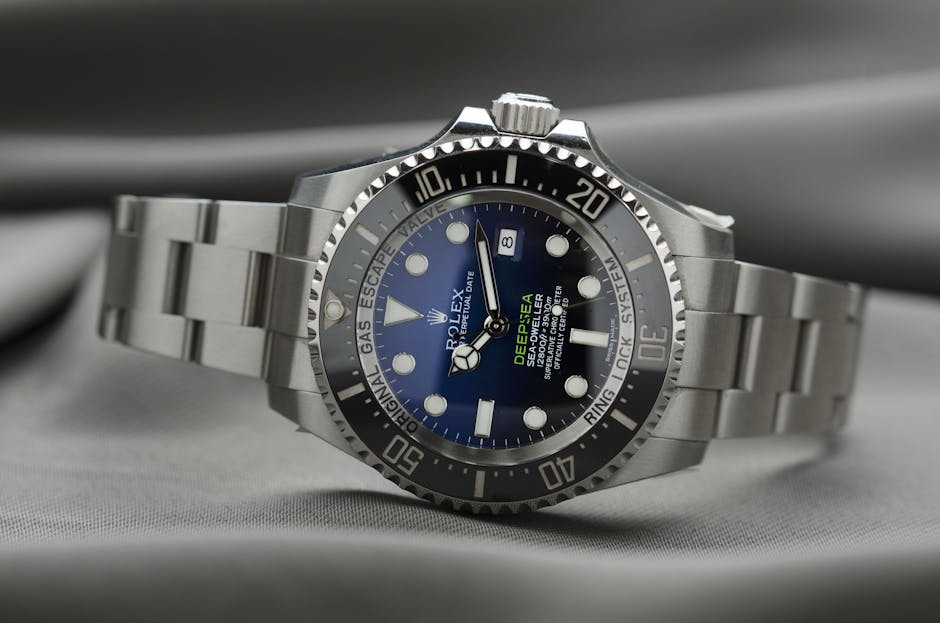
If you are considering Diamond Banc Beverly Hills or another local buyer, contact the company directly to confirm what it handles and how it works. Ask whether it buys watches outright, offers loans against watches, accepts consignments, or provides only some of those services. Then request the terms in writing. A thoughtful buyer will explain the process without pressuring you to decide on the spot.
The Bottom Line
N. Camden Drive is in central Beverly Hills, near Rodeo Drive and the city’s luxury retail district. Exactly.. Watch buyers mention it as a local point of reference, and searches for n camden drive beverly hills may lead people to businesses such as Diamond Banc Beverly Hills. The address can help you find an appointment. It cannot tell you whether an offer is right for your watch.
Start with the watch itself: its reference, condition, originality, and complete set. Ask for authentication, clear condition grading, and pricing informed by live secondary-market data. Then decide which outcome suits you. Sell outright for speed and certainty, borrow against the watch if keeping ownership matters, or consider consignment if you can accept more time and uncertainty for higher potential proceeds. Compare the net terms, bring the box and papers, and make the decision based on the watch and the agreement, not the postcode.

