

It is Friday night. You are in Scottsdale, the auction is coming up, and a car you have been watching is suddenly within reach. The problem is not whether you want to bid. It is whether your money will be available in time—and whether getting it quickly will cost more than the opportunity is worth.
During auction week, that situation is familiar. Around Barrett-Jackson and WestWorld of Scottsdale, people may be juggling travel, deposits, business cash flow, and a purchase that cannot wait for a bank appointment on Monday. If you own a Rolex or other valuable watch, a loan secured by the watch may be one way to free up cash without selling it.
But Friday-night urgency can make expensive terms look like a small detail. They are not. Here is a practical way to think through your options, what to ask, and how to avoid making a rushed financing decision that follows you long after the bidding ends.
Start by Finding Out What “Need Money” Really Means
Before you look for a loan, pin down the exact amount and deadline. A car’s winning bid is not necessarily the total amount you need. There may be a buyer’s premium, taxes, transport, insurance, title costs, and a deposit or payment deadline. Check the auction’s current terms rather than relying on what a friend paid last year.
Write down three numbers:
- Your maximum bid: The highest hammer price you can accept without improvising.
- Your full purchase budget: The bid plus premiums, taxes, transportation, and other likely costs.
- The amount and time you need the funds: For example, a deposit by Saturday afternoon or payment by a stated date after the sale.
That last number matters. A same-day funding loan may sound useful, but “same day” can depend on when an application is complete, when a watch can be inspected, what verification is required, and how funds are delivered. On a Friday night, some parts of that process may have to wait until business hours.

Consider a Rolex Loan Before You Consider a Rolex Sale
A Rolex can be a liquid luxury asset: there is an active resale market for many models, and buyers and dealers regularly price them against recent market activity. That does not mean every Rolex can be converted to cash instantly, or that every model will bring the same amount. Condition, reference, age, bracelet, dial, service history, box and papers, and current demand all affect value and how quickly a buyer may be found.
Selling can make sense if you are ready to part with the watch and have time to compare offers. But if you want to keep it, a collateral loan may let you borrow against its value. The lender holds the watch as security while you receive funds under an agreed loan contract. If you repay the loan and any charges as agreed, you can reclaim the watch. If you do not, the lender may have rights to sell the collateral under the contract and applicable law.
That is different from a bank credit line. A bank line is typically based on your credit and financial profile and is not necessarily secured by your watch. A watch-backed loan is asset-based: the watch is evaluated, and it serves as collateral. Do not treat one as a substitute for the other without comparing their costs, approval requirements, and repayment terms.
How Watch Pricing and Valuation Work
Good collateral decisions start with a clear valuation process—not a vague promise of “top dollar.” Global secondary market pricing is tracked publicly through dealer listings, auction results, and watch-market data services. Those sources can help show market direction and comparable asking or sale prices. They are reference points, not a guaranteed offer for your specific watch.
A lender or buyer will usually consider the watch in hand. That authentication and valuation process may include confirming the reference and serial details, examining the case and movement, checking the dial, hands, bracelet, and components, and reviewing service records or accompanying documents. The evaluator also considers condition, originality, completeness, and the lender’s ability to resell the watch if repayment does not happen.
Ask how the company arrives at its loan amount. Is it based on a recent market comparison, the watch’s condition, and a stated loan-to-value approach? Will the quote change after physical inspection? Which documents or accessories could affect the evaluation? A credible process should explain what was checked and why the offer may differ from a public asking price.
Friday-Night Reality: Speed Has Limits
When you search for auction week cash on Friday night, the first question is not simply, “Can I apply online?” Ask what can actually happen before your deadline. A form submitted after hours is not the same thing as an approved loan with cleared funds in your account.
Some providers, including Diamond Banc, offer jewelry and watch collateral lending. Before relying on any provider for a particular auction, contact the company directly and confirm its current hours, locations, intake process, funding method, and timing. Do not assume that a company name, a website form, or a previous customer’s experience guarantees same-day funding for your watch and circumstances.
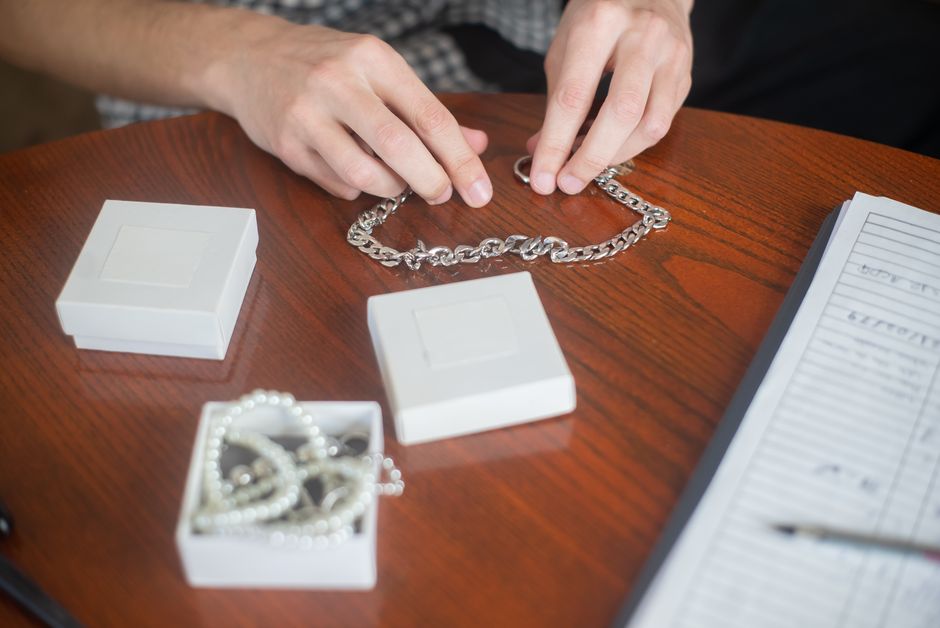
In practical terms, a same-day funding loan may be possible when the watch can be evaluated promptly, the application and identity checks are complete, terms are accepted, and the lender can deliver funds through an available method. If the watch must be shipped, if documents are missing, or if the inspection team is unavailable, timing can stretch. Confirm the timeline in writing before you count that money toward a bid.
Speed and Privacy Versus Interest and Fees
Collateral lending can be useful because it may avoid a traditional sale and can offer a relatively direct path from a valuable asset to cash. It may also feel more private than asking family, a business partner, or a bank for a short-term loan. But privacy and convenience have a price. The interest rate, fees, minimum charges, loan term, and consequences of missing a payment all matter.
Here is the tradeoff. A faster, more convenient loan can cost more than a longer-term credit option. And a watch loan is not free cash; it is a debt secured by something you value.
Auction-Week Plan: Do This Before the Last-Minute Rush
If you know you may bid during an event at WestWorld of Scottsdale, plan the financing before you are standing near the block. That gives you time to compare a collateral loan with a sale, a bank option, or cash you already have available. It also keeps the excitement of the auction from setting the terms of your borrowing.
What to Do If It Is Already Friday Night
If the deadline is close, take these steps in order. First, call the auction company or check its official terms to verify exactly when funds are due. Next, contact a lender and ask a direct timing question: “Given my watch and your current hours, what is the earliest realistic time funds could watch loan interest comparison be available?” Then ask what must happen before that estimate is reliable.
Do not hand over a watch or sign a contract based only on a verbal estimate you do not understand. Review the loan amount, annual percentage rate or applicable interest description, fees, repayment date, extension terms, and default process. If a representative cannot explain the total payoff amount for your expected loan period, pause.
Do not bid on the assumption that an application will be approved. If the funds are not confirmed, treat them as unavailable. Missing an auction can be disappointing. Taking on a loan you cannot repay—or losing a watch you meant to keep—is worse.
When a Watch-Backed Loan Makes Sense
A loan against a Rolex may be reasonable when you need temporary liquidity, want to retain ownership, understand the total cost, and have a credible repayment source. It may be a poor fit if repayment depends on selling the car quickly, if the loan term is shorter than your cash-flow timeline, or if you are borrowing right up to your limit to compete in a bidding room.
Think of liquidity as a practical question, not a label. A watch can have a recognizable market and still take time to authenticate, value, and sell. The loan can provide access to funds without an outright sale, but it shifts the risk: you owe the money whether the car turns out to be a bargain or not.
Keep the Bid Separate From the Borrowing Decision
Barrett-Jackson and other major events can make a Friday night feel like a once-only chance. It may be a rare car, a familiar model, or simply the moment when bidding starts to move. Make your financing decision away from that pressure. Decide what the watch is worth as collateral, what the loan will cost through repayment, and what you can afford to bid before you enter the room.
The best auction week cash plan is usually made earlier in the week, with the auction rules checked, the watch evaluated, and the repayment date mapped out. If you are already at WestWorld of Scottsdale on Friday night, slow the decision down long enough to verify the numbers. A Rolex may help bridge a short-term cash gap. It should not be used to disguise a bid that is too large or a repayment plan that does not exist.
